

Google AI Overview Optimization: The Complete Guide to Ranking in AI-Powered Search
Search is evolving faster than ever. With the introduction of Google AI Overview, users no longer have to visit multiple websites to find answers. Instead, Google’s AI summarizes information from trusted sources and presents it directly at the top of search results.
For businesses, bloggers, and digital marketers, this creates a new opportunity and a new challenge. If your content isn’t optimized for AI Overview, you could lose valuable visibility, traffic, and potential customers.
In this guide, we’ll explain how to optimize your content for Google AI Overview, the SEO techniques that matter, and the best practices to increase your chances of being cited by Google’s AI.
What is Google AI Overview?
Google AI Overview is an AI-powered search feature that generates concise answers to user queries by analyzing information from multiple high-quality web pages. Instead of displaying only traditional blue links, Google provides an AI-generated summary and often includes links to trusted websites as references.
The goal is to help users get accurate information quickly while still allowing them to explore the original sources.

Why Ranking in AI Overview Matters
Appearing in AI Overview offers several benefits:
- Higher search visibility
- Increased brand authority
- More qualified organic traffic
- Better click-through opportunities
- Improved trust among users
- Greater exposure, even for informational searches
As AI-powered search becomes more common, optimizing for AI Overview will become just as important as ranking on Page 1.
1. Write Content That Directly Answers User Questions
Google AI prefers content that gives clear, direct answers.
Instead of writing lengthy introductions, answer the user’s question within the first few paragraphs.
Example
Instead of:
“SEO is a digital marketing technique…”
Use:
“Google AI Overview uses trusted websites to generate summarized answers. To appear in AI Overview, create authoritative, well-structured, and helpful content.”
Quick answers help AI understand your content more easily.
2. Focus on Search Intent
Every search has an intent.
Your content should fully satisfy that intent.
Common search intents include:
- Informational
- Commercial
- Transactional
- Navigational
If someone searches:
“How to rank in Google AI Overview”
They expect actionable steps—not a general explanation of SEO.
3. Use Clear Heading Structure
Organize your article using logical headings.
Example:
- H1: Main Topic
- H2: Major Sections
- H3: Subtopics
- H4: Additional Details (when needed)
Well-structured content helps both users and AI understand your page.
4. Add a Quick Summary at the Beginning
Include a short overview after the introduction.
Example:
In this guide, you’ll learn:
- What is an AI Overview
- How it works
- SEO strategies
- Technical optimization
- Content writing tips
- Common mistakes
AI systems often prefer well-organized content.
5. Create Helpful, Original Content
Avoid copying information from other websites.

Instead:
- Share real experience
- Add examples
- Include case studies
- Explain processes clearly
- Provide actionable advice
Original insights improve your credibility.
6. Demonstrate E-E-A-T
Google values:
- Experience
- Expertise
- Authoritativeness
- Trustworthiness
Build trust by:
- Writing from practical experience
- Citing reliable sources
- Keeping information updated
- Showing author details
- Maintaining factual accuracy
Strong E-E-A-T increases your chances of being referenced by AI.
7. Answer Multiple Related Questions
AI Overview often combines answers to related questions.
Include sections such as:
- What is AI Overview?
- How does AI Overview work?
- Is AI Overview replacing SEO?
- How can businesses optimize for AI Overview?
Covering related topics improves topical authority.
8. Use FAQ Sections
Frequently Asked Questions help Google understand your content.
Example FAQs:
Can new websites appear in AI Overview?
Yes. If the content is high-quality, trustworthy, and directly answers user queries.
Does schema help AI Overview?
Structured data can improve Google’s understanding of your content, although it does not guarantee inclusion.
9. Optimize Technical SEO
Content alone isn’t enough.
Ensure your website has:
- Fast loading speed
- Mobile-friendly design
- HTTPS security
- Clean URL structure
- XML Sitemap
- Proper internal linking
- Optimized Core Web Vitals
Technical SEO helps search engines crawl and understand your pages efficiently.
10. Add Relevant Schema Markup
Use structured data where appropriate:
- Article Schema
- FAQ Schema
- Organization Schema
- Breadcrumb Schema
- HowTo Schema (if applicable)
Schema helps search engines interpret your content more accurately.
11. Build Topic Clusters
Instead of publishing isolated articles, create related content around one subject.
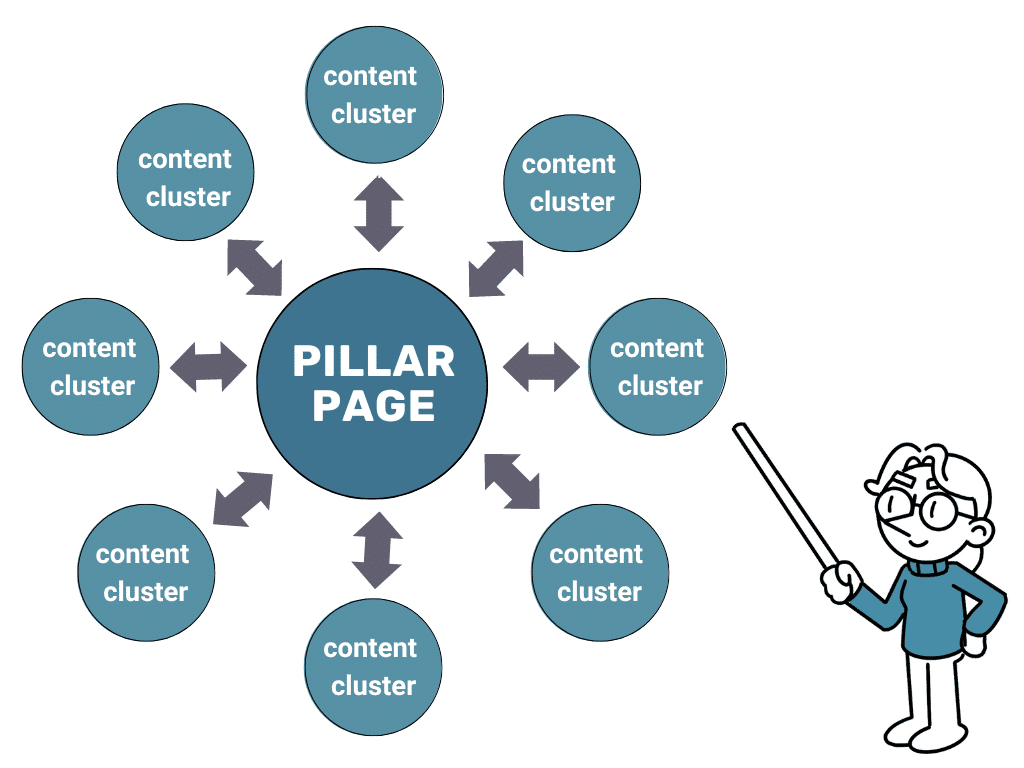
Example:
Main Topic:
Google AI Overview
Supporting Articles:
- AI SEO Guide
- E-E-A-T Explained
- Schema Markup Guide
- AI Search Ranking Factors
- Helpful Content Tips
Internal linking between these articles strengthens topical authority.
12. Keep Content Updated
AI systems favor fresh, relevant information.
Review and update your articles regularly by:
- Adding new statistics
- Revising outdated information
- Including recent Google updates
- Improving examples
Regular updates signal that your content remains useful.
13. Use Simple and Natural Language
Avoid unnecessary jargon.
Write as if you’re explaining the topic to someone with basic knowledge.
Simple language improves readability for both users and AI systems.
14. Strengthen Internal Linking
Connect related pages naturally.
For example:
- AI SEO Guide
- Technical SEO Checklist
- Keyword Research Guide
- Content Marketing Strategy
Internal links help Google discover and understand your site’s content hierarchy.
15. Build Authority Beyond Your Website
Google also evaluates your site’s overall reputation.
Improve authority by:
- Earning quality backlinks
- Publishing expert content
- Maintaining active social media profiles
- Collecting positive brand mentions
- Updating your Google Business Profile (if relevant)
A strong online presence supports better visibility in AI-powered search.
Common Mistakes to Avoid
Avoid these practices:
- Keyword stuffing
- Thin or duplicate content
- Clickbait headlines
- Outdated information
- Poor page speed
- Weak internal linking
- Publishing AI-generated content without human review
- Ignoring user intent
Google AI Overview is reshaping the future of search. Success is no longer just about ranking for keywords—it’s about creating content that is helpful, trustworthy, well-structured, and genuinely answers user questions.
If you focus on user intent, demonstrate expertise, optimize your technical SEO, and keep your content up to date, you’ll significantly improve your chances of being featured in AI Overview.
Rather than writing for algorithms alone, write for people first. High-quality, user-focused content remains the strongest foundation for long-term SEO success in the age of AI.
Frequently Asked Questions
1. How do I get my website into Google AI Overview?
Create high-quality, well-structured content that directly answers user questions, demonstrates E-E-A-T, and follows strong technical SEO practices.
2. Does schema markup guarantee AI Overview placement?
No. Schema helps search engines understand your content but does not guarantee inclusion in AI Overview.
3. Is AI Overview replacing traditional SEO?
No. AI Overview builds on traditional SEO principles. Strong content, authority, and technical optimization are still essential.
4. What type of content performs best in AI Overview?
Comprehensive guides, how-to articles, FAQs, expert insights, and content that clearly satisfies user intent tend to perform well.

 INDIA
INDIA INDIA
INDIA
Leave a Reply